Running Into the Wind: How Wenatchee Athletes Are Training Smarter by Embracing the Gusts

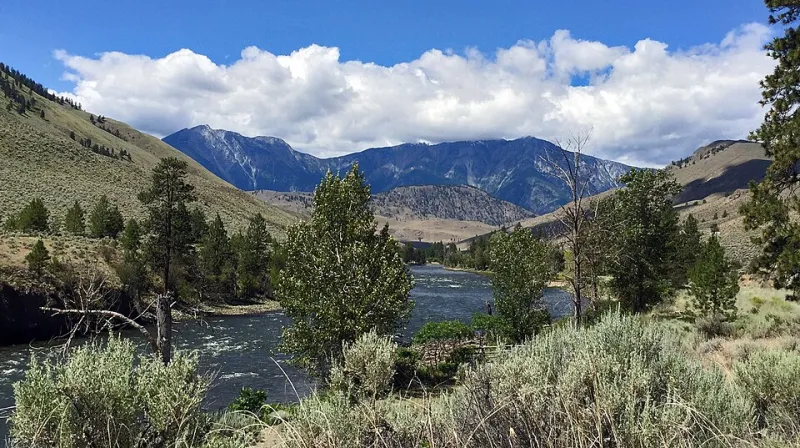
Photo: Steve Dock, OGL v1.0, via Wikimedia Commons
If you've ever laced up your shoes and headed out along the Wenatchee River corridor on a breezy afternoon, you already know the feeling. That invisible wall. The way a perfectly paced run suddenly feels like you're hauling a sled. The temptation to cut the whole thing short and blame the weather.
But stick around the local running community long enough, and you'll start hearing a different kind of talk. Runners who've been logging miles here for years will tell you — sometimes with a grin — that Wenatchee's wind isn't the enemy. It's the training partner you never asked for but absolutely needed.
Why Wenatchee Is Windier Than You Might Expect
Wenatchee sits in a geographic sweet spot — or depending on your mood, a geographic pressure cooker. Nestled in the Columbia River Valley and flanked by the Cascades to the west, the region funnels air in ways that can catch even experienced runners off guard. Seasonal pressure gradients, especially in spring and fall, push consistent winds through the valley floor right where most runners do their easy miles: along the river path, through Confluence State Park, and out toward the Horan Natural Area.
These aren't occasional gusts. On certain stretches, 15 to 25 mph winds are just Tuesday. And while that can feel demoralizing mid-tempo run, coaches and exercise physiologists have been paying closer attention to what consistent wind exposure actually does to an athlete's body — and the findings are worth knowing.
The Aerobic Upside of Resistance Running
Here's the basic science: running into a headwind increases your aerobic demand without requiring you to increase your pace. Your cardiovascular system works harder to maintain the same speed, which means you're building engine capacity even when your watch says you're running easy.
Local running coach Dana Merritt, who trains a mixed group of road and trail runners out of Wenatchee, puts it simply: "I stopped telling my athletes to dread wind days. Now I schedule them. If we've got a workout that's supposed to be hard, and the wind is blowing hard out of the northwest, that's not a problem — that's the plan working itself out for us."
Research backs this up. Studies on wind-resistance training have shown measurable improvements in VO2 max, running economy, and lactate threshold when athletes regularly train in variable resistance conditions. The body adapts. And when race day arrives — often in calmer conditions — those same runners feel like they're flying.
Practical Drills Wenatchee Runners Are Using Right Now
So how do you actually train with the wind instead of against it? A few approaches that local athletes swear by:
Out-and-back wind splits. Run the first half of your workout into the headwind, then turn around and let the tailwind carry you home. This gives you a natural tempo structure — hard effort going out, faster turnover coming back — while teaching your body to shift gears based on conditions rather than just pace.
Wind-resistance intervals. Pick a stretch of the river path that reliably catches the prevailing breeze (the section near Walla Walla Point Park is a local favorite for this). Run hard 400-meter efforts into the wind, then jog or walk back. Your perceived effort will be high even at moderate paces, which trains your nervous system to stay composed under load.
Form focus in gusts. Strong winds actually expose form flaws in a hurry. If you're overstriding, a headwind will punish you for it. Use windy runs as a real-time form check — forward lean from the ankles, compact arm swing, quick cadence. Wenatchee runner and longtime local race volunteer Keisha Tran says this is where she made her biggest stride improvements: "I had no idea how much I was wasting energy until I started paying attention to how I moved in the wind. It changed everything about my efficiency."
Race-Day Strategy When the Wind Is Blowing
Wenatchee hosts and draws competitors to a number of road and trail events throughout the year, and wind can be a real factor on race day — particularly for events that run along the river or through exposed valley terrain.
Experienced local racers have a few rules of thumb:
Don't blow up chasing pace into a headwind. This is the most common mistake. Runners see their splits dropping and push harder, burning through glycogen reserves they'll need in the back half. Run by effort in windy conditions, not pace. Trust the effort, not the number.
Use the pack strategically. Drafting is legal in road races, and it works. Tucking in behind a group of runners reduces your wind resistance by as much as 30 percent, depending on conditions. If the first half of a course runs into the wind, sit in the pack and conserve. When the course turns, make your move.
Save something for the tailwind. If you know the back half of your race will have the wind at your back, don't leave everything on the table fighting it on the way out. A well-paced windy race often produces negative splits that feel almost effortless once the conditions shift.
Mindset Matters More Than You Think
Beyond the physical adaptations, there's a mental toughness component that Wenatchee runners talk about openly. Training regularly in uncomfortable conditions — real, unpredictable, sometimes relentless wind — builds a kind of psychological resilience that controlled gym sessions simply can't replicate.
"People who train here and then go race somewhere flat and calm almost always tell me the same thing afterward," says Coach Merritt. "They say it felt easy. Not because it was easy — but because they've already done hard."
That's the Wenatchee edge in a nutshell. The conditions here aren't obstacles to work around. They're the curriculum.
Getting Started: Make Wind Work for You This Week
If you want to start treating wind as a training variable rather than a reason to reschedule, here's a simple first step: the next time you head out and it's blowing, flip your route so you start into the wind and finish with it at your back. Don't adjust your target effort — just let the conditions do the work of making it harder on the way out.
Do that consistently for a few weeks, and you'll start to notice something. The wind stops feeling like punishment. It starts feeling like preparation.
And on race day, when the conditions cooperate and you're running free? You'll know exactly why all those breezy Wenatchee miles were worth it.