Why Your Water Bottle Isn't Enough: Rethinking Hydration for Wenatchee's High Desert Runs

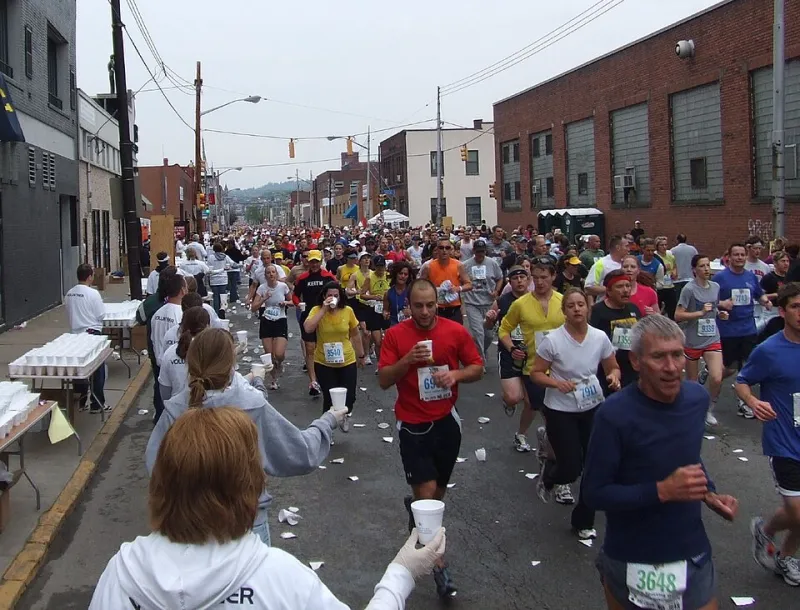
Photo: ArnoldReinhold, CC BY-SA 3.0, via Wikimedia Commons
Pick up almost any mainstream running book and flip to the hydration chapter. Odds are it'll tell you to drink somewhere between 16 and 24 ounces of fluid per hour of running, maybe more in the heat. Simple, right? Except that advice was almost certainly developed with runners in mind who live somewhere considerably more forgiving than north-central Washington.
Wenatchee sits in a rain shadow carved out by the Cascades, averaging less than nine inches of precipitation per year. Combine that with summer temperatures that regularly push past 95°F, an elevation hovering around 1,000 feet, and low relative humidity that routinely dips below 20 percent — and you've got a hydration equation that looks nothing like what those guidebooks are solving for.
Local runners who've been training here for years will tell you the same thing: they learned the hard way that what worked back home, or what worked at sea level in a wetter climate, didn't cut it once they started pushing miles in the Wenatchee Valley.
The Invisible Drain: What Evaporation Actually Does to You
In humid environments, sweat tends to linger on the skin. You feel wet. You feel gross. You know you're losing fluid. In Wenatchee? That sweat evaporates almost the moment it surfaces. Your skin stays relatively dry, your shirt might not feel soaked, and your brain doesn't register the same alarm signals it would in, say, Seattle or Houston.
But the fluid loss is absolutely happening — it's just invisible.
This is the core problem with using standard hydration guidelines in a high-desert environment. Those charts assume a certain level of sweat visibility. When evaporation is rapid, the feedback loop between "I feel sweaty" and "I need to drink" gets severed. Runners in Wenatchee can lose significantly more fluid per hour than they realize, all without triggering the usual warning signs.
Sports physiologists refer to this as insensible fluid loss — water that leaves the body without the obvious cues most of us rely on to trigger drinking behavior. At Wenatchee's typical summer humidity levels, insensible loss through respiration alone can be meaningfully higher than in coastal or humid climates. Every exhale releases moisture, and dry air pulls it out faster.
Altitude Isn't Just About Oxygen
A thousand feet of elevation doesn't sound dramatic compared to, say, running in Denver or Flagstaff. But even modest elevation contributes to faster respiratory rates during exertion, and faster breathing means more moisture lost with each breath cycle.
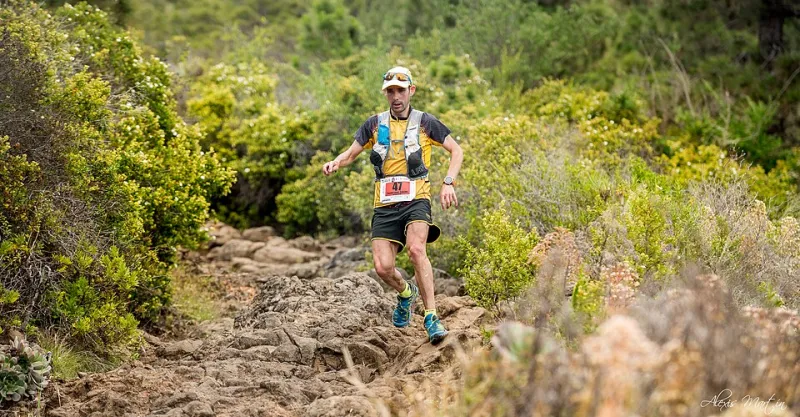
For Wenatchee runners heading up into the surrounding hills — the trails climbing toward Sage Hills, Monitor, or the ridgelines above the valley — that elevation gain compounds things further. You're breathing harder, the air is drier, and you're moving through terrain that demands more from your cardiovascular system. The fluid math changes with every few hundred feet of gain.
The practical takeaway: don't assume your flat-road hydration habits translate to your trail days. They don't.
What Local Runners Are Actually Doing
Several runners in the Wenatchee community have moved away from fixed hourly fluid targets entirely. Instead, they're using a combination of pre-run and post-run weigh-ins — a simple but effective protocol — to understand their personal sweat rate under local conditions.
The method is straightforward. Weigh yourself before heading out, run your normal route without drinking (best for shorter efforts, 30–45 minutes), then weigh yourself again immediately after. Every pound of body weight lost during that window represents roughly 16 ounces of fluid deficit. Do this across different times of day, different temperatures, and different effort levels, and you'll start to build a personal hydration profile that's actually calibrated to how your body responds to Wenatchee's specific environment.
This isn't a new concept — elite athletes have been using sweat-rate testing for decades — but it's underused at the recreational level, especially in climates where standard advice seems "close enough." In Wenatchee, close enough often isn't.
Electrolytes: The Other Half of the Equation
Fluid volume is only part of the story. What's dissolved in that sweat matters too.
Because evaporation happens so quickly in dry air, the salt and electrolyte concentration of sweat can be harder to track visually. In humid conditions, runners often see salt residue on their skin and clothing — a useful, if imprecise, signal. In Wenatchee's dry heat, that residue may evaporate before you notice it.
Sodium loss affects your body's ability to retain and use the fluids you're taking in. Drinking plain water without replacing electrolytes — especially on runs lasting longer than an hour — can actually dilute your blood sodium levels, a condition called hyponatremia that causes symptoms ranging from nausea and headaches to, in severe cases, serious neurological issues.
For most recreational runners in Wenatchee, the practical fix isn't complicated: add an electrolyte product (tablet, powder, or drink mix) to at least one of your fluid sources on any run longer than 60 minutes, and lean on salty snacks during longer efforts. Sports dietitians often recommend aiming for 300–600mg of sodium per hour during sustained exercise in hot, dry conditions — a range that many standard sports drinks actually fall short of.
Building Your Personal Hydration Protocol
Here's a practical starting framework for Wenatchee runners looking to dial things in:
Before you run: Drink 16–20 ounces of water in the 90 minutes leading up to your run. Your urine should be pale yellow — not clear, not dark amber.
During your run: In temperatures above 75°F, aim for 6–8 ounces every 15–20 minutes. In Wenatchee's summer heat, err toward the higher end. On trail runs with significant elevation, bump your intake further.
Electrolytes: Use an electrolyte supplement on any effort over an hour. On hot days or long trail runs, consider starting electrolyte intake within the first 30 minutes rather than waiting until you feel depleted.
After your run: Use the weigh-in method to check your deficit. Drink 20–24 ounces of fluid for every pound lost, and don't skip sodium in your recovery meal or snack.
Track your data: Keep a simple log — temperature, humidity if you can find it, run duration, how you felt, how much you drank. Patterns will emerge over a few weeks that tell you more about your personal needs than any generic chart.
The Wenatchee Variable
There's no single formula that works for every runner in every climate, and that's the whole point. The generic hydration advice floating around the internet was built on averages — averages that don't account for a valley that gets less annual rainfall than parts of the Mojave and bakes under a high-pressure dome for three months a year.
The runners here who feel strong in August, who finish long trail days without the pounding headaches or late-afternoon crashes that plague newcomers, aren't following the same playbook everyone else is. They've put in the work to understand what this specific place demands from their bodies.
That knowledge is available to anyone willing to test, track, and adjust. Start with the basics, use the weigh-in protocol a few times, pay attention to how your body signals thirst (and how often it doesn't, even when it should), and build from there.
Wenatchee's landscape is spectacular and the running here is genuinely world-class. It just asks a little more of you than most places — and hydration is where that conversation starts.